Blog:Screen Time and Kids: Tips for Healthy Eyes in 2026
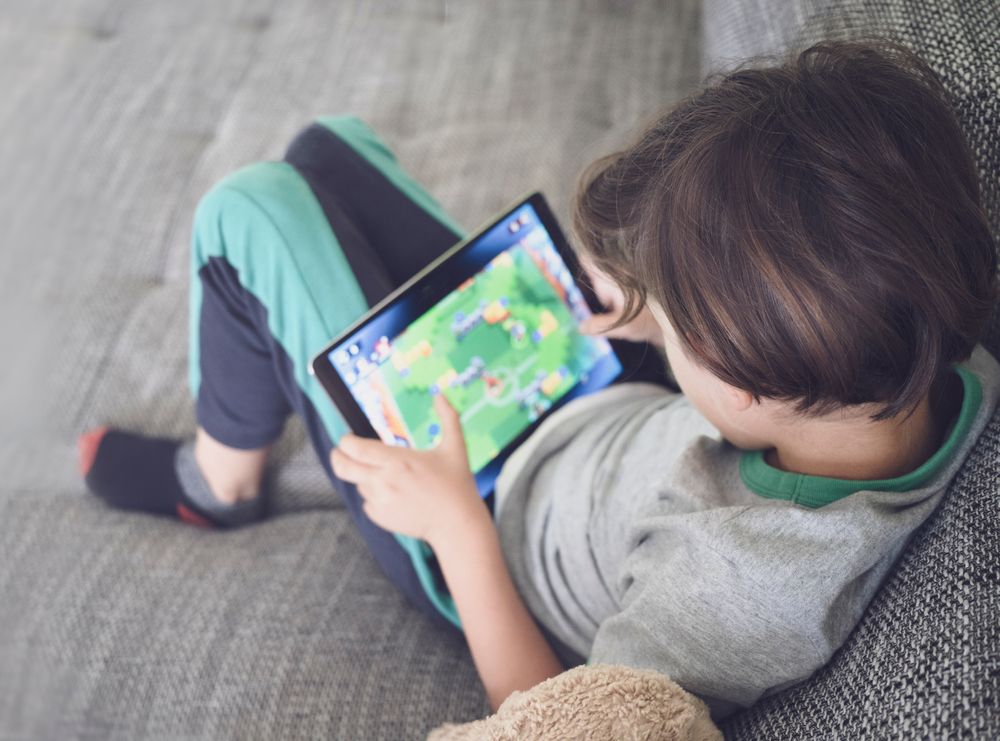
If you are a parent in 2026, you know screens are everywhere. Children’s eyes are still growing, and too much screen time makes them more vulnerable to screen strain than adults. Constant close-up focus can cause tired eyes, headaches, dryness, and raise the risk of nearsightedness later.
The good news is you do not need to ban screens. A few simple, consistent habits can make a big difference. Here are practical tips for keeping kids’ eyes healthy this year.
You have probably heard of the 20-20-20 rule, and it works. Every twenty minutes, have your child look at something twenty feet away for twenty seconds. It gives their focusing muscles a quick break. Experts now add another “2”: two hours of outdoor play daily. Natural light and looking into the distance are two of the best ways to protect young eyes from becoming nearsighted.
Show your child the elbow rule. Ask them to hold a fist up to their eyes—where their elbow ends is the right distance for screens. Phones and tablets should be at least an arm’s length away. Laptops and desktops should be about two feet back, and TVs work best from about ten feet away. Set up screens so your child looks slightly down at them, not up.
Kids often don’t say when something is wrong with their vision. Watch for quiet clues like squinting at the TV, holding tablets too close, tilting their head, rubbing their eyes a lot, or losing interest in reading. These small signs can point to bigger problems. If you notice any of them, it’s time for an eye exam.
School vision screenings help, but they only check so much. They can’t tell you if your child’s eyes are healthy, just if they can read letters on a chart. A full eye exam looks at the structure, focus, and health of the eyes. Make sure your child gets one at least once a year. Finding problems early makes treatment easier.
Keep screens away from windows that cause glare. Make sure the screen brightness matches the room’s, not compete with it. Avoid using screens in the dark, as the contrast between a bright screen and a dark room can quickly tire the eyes. Young eyes do best in a well-lit room with soft, even light.
Kids notice everything you do. If you are glued to your phone during dinner, they will see that as normal. Set your own boundaries. Put your phone away during meals. Talk about why you are taking a screen break. When you model healthy habits, your kids are more likely to follow.
You will see ads for blue light glasses everywhere, but the latest research shows they do not help kids’ eyes. That money is better spent on outdoor time, regular breaks, and a good eye exam. Stick to the basics that work.
Screens are not going anywhere. But with a few small adjustments, you can help your child use them in a way that keeps their eyes comfortable and healthy for years to come.
For more on kids and screen time, visit Inland Optometry. Our office is in Fontana, California. Call (909) 463-4655 to schedule an appointment today.
Flowbite is an open-source library of interactive components built on top of Tailwind CSS including buttons, dropdowns, modals, navbars, and more.
Check out this guide to learn how to get started and start developing websites even faster with components on top of Tailwind CSS.
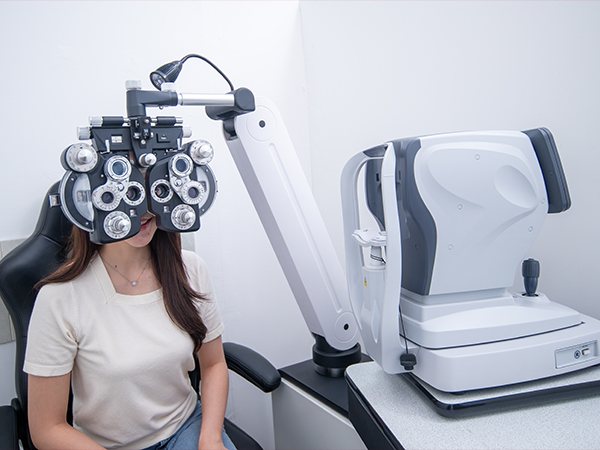
Explore our comprehensive range of eye care services designed to meet the unique needs of you and your family.

For non-urgent questions or to learn more about our services, contact us today!
Managed and Designed by